
Discovering Rogers Park: Where Anchorage History Meets Community Spirit
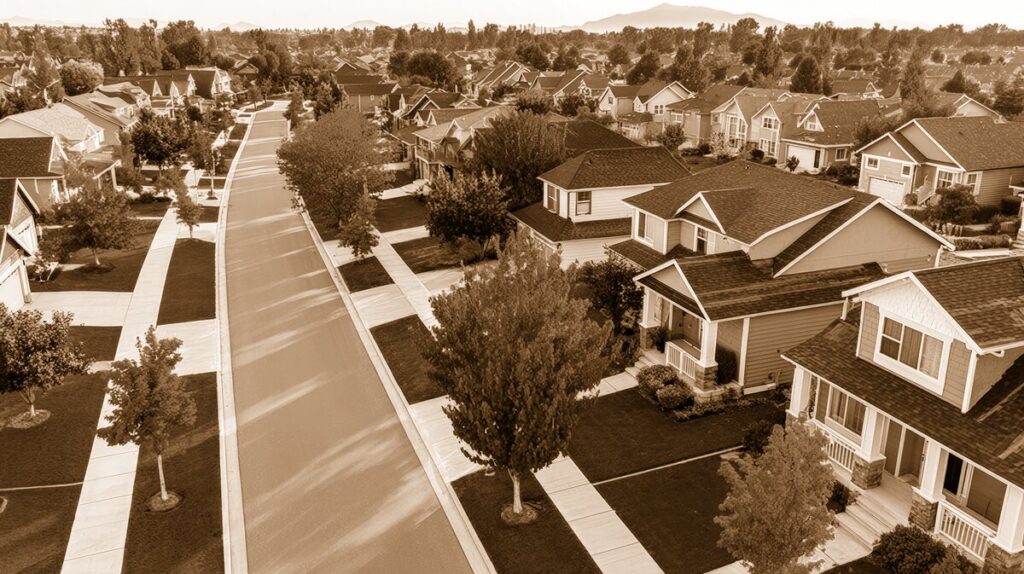
Tucked just southeast of Anchorage’s bustling downtown sits Rogers Park, a neighborhood cherished for both its deep-rooted history and warm, community feel. Distinctive among Anchorage’s residential areas, Rogers Park offers scenic streets, a blend of mid-century and modern homes, and a unique sense of continuity — where echoes of the past are ever-present.
Early Beginnings: The Origins of Rogers Park
To truly appreciate Rogers Park, it helps to step back to Anchorage’s formative decades. The origins of the neighborhood trace back to the post-World War II era, a time when Anchorage itself was transforming from a frontier outpost to a growing city. In the late 1940s and early 1950s, as Alaska’s population boomed and Anchorage’s footprint expanded, the need for thoughtfully planned neighborhoods became paramount.
Rogers Park saw its first subdivision plans developed in 1948, with significant construction throughout the 1950s. It was envisioned as a residential haven, planted with trees and mapped out with curving roads rather than rigid grids. These design choices imbued a sense of intimacy and privacy that residents still cherish today.
How Rogers Park Got Its Name
Every Anchorage neighborhood has a story behind its name, and Rogers Park is no exception. The neighborhood honors Charles A. Rogers, whose impact as a surveyor and prominent civic figure helped shape parts of early Anchorage. Rogers, working with the Anchorage Land Company, played a crucial role in the development of residential areas in eastern Anchorage — what would become Rogers Park. His dedication to thoughtful urban growth is woven into the neighborhood’s fabric.
Key Milestones: Growth Through the Decades
- 1950s: Building a Community
The first homes in Rogers Park were built on a tree-lined grid between Northern Lights Boulevard, Chester Creek, and the Seward Highway. Streets with names like Redwood and Spruce Circle hint at the area’s verdant atmosphere. Families settled in, drawn by proximity to good schools, the city center, and the promise of a peaceful, community-oriented lifestyle.
- 1960s & 1970s: The Neighborhood Matures
As Anchorage grew following the discovery of oil at Prudhoe Bay in 1968, so did Rogers Park. The neighborhood remained insulated from commercial sprawl, maintaining its residential charm. The Rogers Park Community Council formed, giving residents a unified voice in civic matters and local improvements.
- 1980s to Today: Preserving Heritage, Embracing Change
The last several decades have seen Rogers Park diversify. While many of the original craftsmen and ranch-style homes remain, sensitive infill and modern renovations reflect evolving lifestyles. Efforts championed by the Community Council have helped protect Rogers Park’s identity and greenspaces amid Anchorage’s continual growth.
Notable Landmarks and Streets that Tell the Story
While Rogers Park is primarily residential, several places stand out as pillars of history and pride:
- Rogers Park Elementary School
Located on Lake Otis Parkway, the elementary school opened in 1959 and has long been a hub for the neighborhood’s families. Many longtime residents fondly recall walking, biking, or even skiing to school during snowy Anchorage winters.
- Chester Creek Greenbelt
One of Anchorage’s premier urban trails, the Chester Creek Greenbelt runs along the neighborhood’s northern border. This trail draws joggers, cyclists, and dog walkers from all over the city. The greenbelt’s lush setting echoes the original planners’ vision — a place where urban life and natural beauty coexist.
- Spruce, Redwood, and Lilac Streets
These residential streets with their canopies of mature birch and spruce trees are classic Rogers Park. Each autumn, golden leaves blanket the quiet lanes, while in summer, residents take to gardening and enjoying neighborhood walks.
- Anchorage Unitarian Universalist Fellowship
Established in 1955, this institution on East 18th Avenue has been a social and cultural anchor, hosting everything from local lectures to community events, further weaving neighbors together.
Community Character: Then and Now
The essence of Rogers Park is more than just streets and homes — it’s community spirit. Generations of Anchorage families have made memories here, from backyard barbecues to volunteer clean-up days and holiday block parties.
Neighborhood watch signs and friendly “hello’s” to walkers remain the norm. Residents take pride in manicured lawns as much as they do in upholding Rogers Park’s welcoming, inclusive vibe. The Community Council actively encourages neighborhood input, securing improvements like traffic calming, tree planting, and support for local schools.
If you stroll the greenbelt trail or wander past Rogers Park Elementary during recess, you’ll see today’s youth playing where their parents — and sometimes grandparents — once did. Rogers Park’s history is living, evolving, a testament to both tradition and progress.
Rogers Park Today: A Beloved Anchorage Gem
While Anchorage itself continues to grow and change, Rogers Park feels almost unchanged in its best qualities: a blend of old and new, privacy and community, urban energy and natural calm. It stands as a model of what thoughtful neighborhood planning and invested residents can achieve.
Whether you’re drawn to the neighborhood’s heritage homes, its proximity to parks and trails, or its tight-knit feel, Rogers Park always finds ways to welcome newcomers while honoring the roots that make it special.
As someone who calls Anchorage home, there’s something enduringly comforting in knowing Rogers Park remains true to its origins — a place where Anchorage’s past is always part of its present, and neighbors are never far away.